
- OUR MACHINES
- Manual Shrink Wrapping Machines
- Semi-Automatic Shrink Wrapping Machines
- Fully Automatic Shrink Wrapping Machines
- Fully Automatic Side Seal Machines
- High Speed Fully Automatic Machines
- Shrink Tunnels
- Bundle (Sleeve Wrapper)
- Mailing Systems
- Carton Sealers / Carton Erectors
- Pallet Wrapping
- Vacuum Machines
- Roller Die Cutters
- Skin Machines
- Flow Wrap Machines
- Form Fill Seal Machines
- High Frequency Sealers
- Verticle Form Fill Sealing Machines
- Filling Machines
- Capping Machines
- Doy Pack Machines
- Over wrapping Machines
- Metal Detector and Check Weigher
- Labelling Machines
- Bagging Systems
- Top Seal Machines
- Seal Stretch Machines
- Blister Machines
- Horizontal Wrapping Systems
- Robotic Systems
- In Feed / Out Feed Conveyors
- PACKAGING FILMS
- Polyethylene
- Polyolefin
- BOPP Film
- Polypropylene
- PVC Films
- Stretch Films
- SECOND HAND MACHINES
- Second Hand Machines
Shrink Wrap vs Stretch Wrap: What’s the Difference and Which Is Best for Your Packaging?
When it comes to protecting products during storage, transport and presentation, businesses often find themselves deciding between shrink wrap and stretch wrap. While both packaging solutions are designed to secure products and improve protection, they work in very different ways and are used for completely different applications.
Choosing the right packaging film can improve product protection, reduce waste, lower costs and even improve how your products are presented to customers.
In this guide, we’ll explain the difference between shrink wrap and stretch wrap, where each one works best and how to choose the right option for your business.
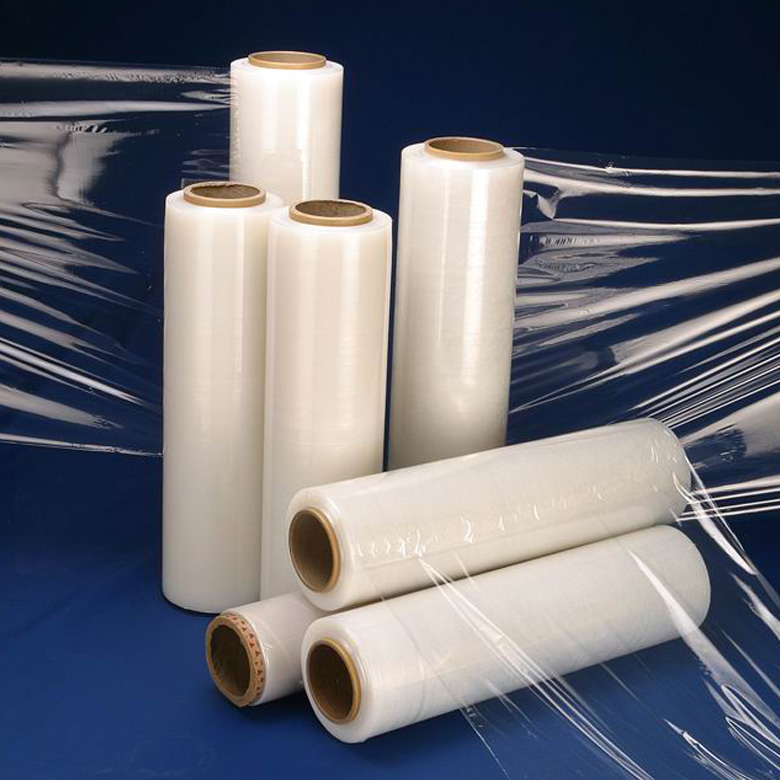
What Is Stretch Wrap?
Stretch wrap film is a highly stretchable plastic film commonly used to secure products onto pallets. The film is wrapped tightly around items to keep them stable during transport and storage.
Once applied, the tension in the film helps hold products together and reduces movement while in transit. Stretch wrap is most commonly used in:
Warehouses
Distribution centres
Manufacturing facilities
Logistics operations
Palletised freight
It is designed for load stability rather than retail presentation. Many businesses use stretch wrap films because they are cost effective, fast to apply and suitable for securing large or bulky loads.
What Is Shrink Wrap?
Shrink wrap works differently. Instead of stretching around products, shrink film is loosely applied around an item and then heated using a shrink wrapper machine or heat gun. The heat causes the film to shrink tightly around the product.
This creates a clean, secure and professional finish. Polyolefin shrink film is one of the most popular shrink wrapping materials because it offers:
Excellent clarity
Strong sealing performance
Food safe packaging options
Better presentation
Durability without excessive thickness
Shrink film is commonly used for:
Retail packaging
Food products
Multipack products
Printed materials
Consumer goods
Medical products
Businesses often choose polyolefin shrink film when presentation matters just as much as protection.
The Main Difference Between Stretch Wrap and Shrink Wrap
The biggest difference comes down to purpose. Stretch wrap is mainly designed to stabilise and secure products during transport. Shrink wrap is designed to protect and present products individually.
Stretch wrap relies on tension. Shrink wrap relies on heat.
Stretch wrap is typically used for pallets and large loads. Shrink wrap is commonly used for retail products and individual packaging.
Which Packaging Solution Is Better?
There is no universal winner because both films solve different problems.
If your goal is securing pallets in a warehouse or transport environment, stretch wrap is usually the better option.
If your goal is improving product presentation, protecting retail items or creating tamper resistant packaging, shrink wrap is often the smarter choice.
Many businesses actually use both.
For example: stretch wrap secures pallets during shipping and shrink wrap protects individual products inside those pallets
This combination improves both transport protection and shelf presentation.
Why Polyolefin Shrink Film Has Become So Popular
Polyolefin shrink film continues to grow in popularity across Australia because it offers a strong balance between appearance, strength and flexibility.
Compared to older shrink film materials, polyolefin film provides:
Better transparency
Strong puncture resistance
Cleaner seals
Less odour during sealing
Improved flexibility
Safer food packaging compatibility
It also works well across many different machine types, making it suitable for businesses scaling their packaging operations.
For businesses focused on presentation and product quality, polyolefin shrink film is often the preferred choice.
Choosing the Right Packaging Film for Your Business
The right choice depends on several factors:
Product size
Product weight
Transport requirements
Retail presentation
Packaging speed
Warehouse environment
Budget
Automation requirements
If you run a warehouse or freight operation, stretch wrap film may be essential for load stability. If you sell retail products or packaged goods, polyolefin shrink film may provide a cleaner and more professional finish.
The best approach is choosing packaging solutions that improve both operational efficiency and customer experience.
Both shrink wrap and stretch wrap play an important role in modern packaging.
Stretch wrap is ideal for securing large loads and improving transport stability. Shrink wrap is designed for product protection, presentation and tamper resistance.
Understanding the difference between the two helps businesses reduce packaging waste, improve efficiency and protect products more effectively.
As packaging expectations continue to rise across retail, logistics and manufacturing industries, choosing the right film solution can make a significant difference to both operational performance and product presentation.
Frequently Asked Questions about Stretch Wrap and Shrink Wrap
Is stretch wrap the same as shrink wrap?
No. Stretch wrap uses tension to hold products together, while shrink wrap uses heat to tightly seal around products for protection and presentation.
What is polyolefin shrink film used for?
Polyolefin shrink film is commonly used for retail packaging, food products, printed materials and consumer goods where product presentation and protection are important.
Which packaging film is better for pallets?
Stretch wrap is generally the better option for pallets because it helps stabilise loads during transport and storage while reducing product movement.
Is shrink wrap suitable for food packaging?
Yes. Polyolefin shrink film is commonly used in food packaging applications because it offers strong sealing performance, excellent clarity and food safe packaging compatibility.
Why do businesses use both stretch wrap and shrink wrap?
Many businesses use shrink wrap for individual product packaging and stretch wrap films for securing pallets during shipping and warehouse storage.
Does shrink wrap improve product presentation?
Yes. Shrink wrap creates a clean and professional finish which is why it is widely used for retail products and consumer packaging.
Which packaging film is more cost effective?
It depends on the application. Stretch wrap is often more economical for pallets and transport loads, while shrink wrap provides better value for retail presentation and individual product protection.
Can shrink wrap films work with automated packaging machines?
Yes. Polyolefin shrink film is compatible with many automated packaging systems and is commonly used in high volume packaging environments.